Posted in blog

The 7 Truths I Had to Accept to Become a Better ESL Teacher

The initial allure of becoming an ESL teacher was the idea of a glamorous life living and traveling to new and exotic places, combined with the promise of a rewarding career. This left me unprepared for the day-to-day realities of being an ESL teacher.

It quickly became apparent that fluency in English does not seamlessly translate to the ability to teach it. Yet, I was determined to embrace this learning curve.

Only after accepting these truths could I genuinely appreciate the ESL teaching experience.

1. The Quality of Your Classes Affects the Quality of Your Life

If you encounter challenges in getting your students to enjoy your classes or making a connection with them, it soon begins to seep into your experiences outside of work. When your students don’t enjoy your classes, they complain, and you start to feel pressure from your bosses.

As much as you try to leave work problems at work, they never seem to stay there.

Conversely, when your students love your classes and connect with you, they begin to speak positively about you to their parents, and your work experience improves.

2. TEFL/Education Degrees Don’t Prepare You Enough

I have witnessed teachers spend thousands of dollars on certifications and still struggle when they step into the classrooms. Although they have ideas, implementing them is a lot more challenging. They rely too much on textbook ways to solve everyday problems and soon find that reality is very different.

3. Students Have Limited Attention Spans

Your students’ attention spans are dwindling due to technology and constant exposure to new things. Therefore, you, as a teacher, need to be proactive in developing ways to address this.

Things like stomping, clapping, and voice changing do wonders for younger kids, and incorporating lots of movement will be your lifeline for older students.

4. Fast Paced and Fun Is Key

Creating a fast-paced and fun environment is the best way to begin connecting with your students. When you walk into a class, and the students enjoy their time, they look forward to your next class.

While you may think this is impossible with your class size or your students’ attitudes, I promise that if you incorporate short and stimulating activities that keep them on their toes, they will begin to warm up to you just as fast as it takes to run these activities.

5. Simple is Better 

Students begin to zone out and disengage when an activity is too complex for them to grasp. This is why it’s essential to ease your students in with simple activities—activities that take about a minute to teach them how to play and don’t require a lot of props, materials, and preparation time.

That also means you spend less time outside the classroom worrying about preparing materials or activities.

6. Diversifying Activities is Key

Your students quickly get tired of playing the same activities over and over again. Before, having one or two fun games would have been enough. But today, just like you and me, students want new experiences and new ways to challenge themselves. This means you must know how to change activities and have enough to rotate through to avoid monotony.

You will quickly realize that when you take over a class from another teacher, your students likely have already encountered most of the activities you can find online.

7. Understanding Students’ Individual Needs

One of the realities you will quickly face in your classroom is having brilliant students who grasp and understand materials rapidly, then having slower ones who struggle to get by.

Yet, when bunched together into one classroom, it seems impossible to maintain a pace that keeps the smart students engaged and doesn’t cause the slower ones to lose motivation.

Creating fun activities that don’t just rely on students’ language abilities will help with this. They will create a challenge for smarter students while keeping your slower students motivated.

Activities that allow you to pair off students who can help each other will also be an excellent way to address your student’s needs. Pairing weak students together is another tactic that can help you to understand where to direct your attention.

Knowing and accepting these truths is one thing, but incorporating them into your class to reap the rewards is another. But don’t worry, we are here to help.

We are ESL teachers, too, and we have been where you are!

We understand the discouragement you feel when you spend hours crafting the perfect lesson plan just for it to fail.

But we also know the feeling of seeing students begin to believe in themselves, challenge themselves, and put their best foot forward. We began to see these changes when we started using activities that address the issues we talked about today.  

So we created over 100 activities that ensure you will always have what you need to motivate any student to learn.

How can we be so sure? We used them with our classes year after year. And they work.

But they are more than just games. They are the result of a combined 10+ years of experience, multiple excellence awards, and hundreds of engaged students who keep coming back.

These are the activities we wished we had when we just started teaching.

What You Can Expect

Happier more motivated students

Fast-paced and adjusted games will keep your students wanting more

Reduced Planning & Prep stress

Simple games that only require things you can already find in your classroom make prep and planning a breeze

more fulfilling experience

Witness as your students fall in love with learning again as your lessons improve

What Our Teachers are Saying

Kate T.

Omg! This game box cut my prep time by more than half. The best part is that with these games it seems like I'm spending more time prepping. My kids are happy and my school loves how prepared I always am.

Dylan R.

My students used to hate the games I wanted to play in class. They always grunted when I was trying to decide which of the four games I knew to play. But now I'm the cool teacher, with all the best games.

Riley W.

Before, having extra time in class would be a nightmare. Now just need a few seconds to click the filters and have easy games that my students love. You guys really cracked the code for ESL GAMES!

How it Works

Choose Your Plan

Select between our Starter, Gold and Elite packages

Filter

Use the filters in our Gold and Elite packages to help you find the perfect game

Play!

Play the games and watch as your students begin to love your classes.

Here is what you will get...

Are You Ready to Become a Better ESL Teacher?

Posted in Basic, Elite Teacher, Gold Teacher, Grammar, Middle Elementary School, Starter Teacher, Student(s) to Teacher Practice, Teens/Young Adults, Upper Elementary School, Vocabulary, writing games

Falling Off the Grid

Materials Needed

  • 2 balls 
  • 1 dice
  • Whiteboard and marker
  • 2 magnets

How to play

  1. Draw a grid on the board with 7 columns and 5 rows. Assign 20 points to each team.
  2. Place the two magnets in the box at the center of the grid. Ie. 4th column and 3rd row. Assign one magnet to each team. 
  3. Assign directions and numbers to each value of the die. Write these values on the board eg. 1-go right 4, 2-go up 3, 3-go down 1, 4- go left 2, 5- go down 4,  6- go right 2
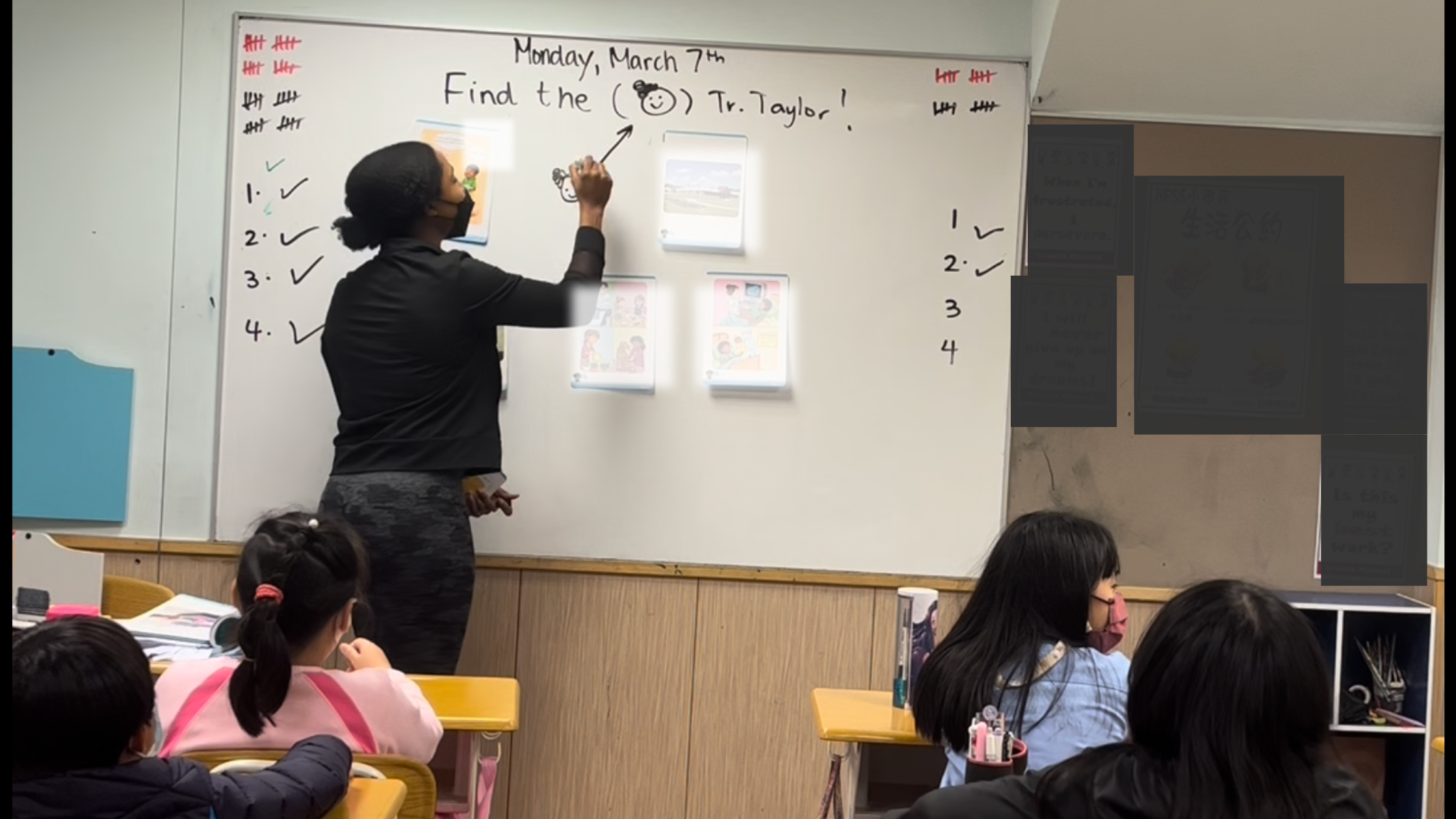
  4. Now have the teams pass the balls amongst their teams in an orderly fashion. When you say stop, the two people with the balls must stand. 
  5. They play rock, paper, and scissors. 
  6. The looser must roll the dice and follow the direction of the magnet. 
  7. The winner must do the english practice. 
  8. Everytime a team falls off the grid, the row or column they fell from must be removed, making the grid smaller.
  9. Then the number of spaces they fall off must be taken away from their original 20 points. They can choose where to place their magnet to start the game again.


Teacher’s role

You ensure the teams are passing the balls properly and not throwing it or holding on to it. 

You also decide when to say stop. Try to vary the timing to keep your students on their toes. 

Listen to the english practice and correct and help students who need help.

Who wins?

The team with the most points remaining at the end of the game is the winner. .

What’s there to love?

This game has a lot of layers, but once your children understand it, the different layers give them different elements to enjoy and look forward to.

  1. Make it Harder for Everyone: You can make this game more challenging by telling the winners of PSS that they will need to roll the die too if their english practice is wrong.

Let the fun continue

with games like these
Posted in Basic, Elite Teacher, Gold Teacher, Grammar, Middle Elementary School, Review Games, Starter Teacher, Student(s) to Teacher Practice, Teens/Young Adults, Upper Elementary School, Vocabulary, writing games, Young Elementary School

Snowball Fight

Materials Needed

      • Scrap paper cut into little pieces (1 peace per round per student)
      • Timer for 1 minute
      • Box or container

    How to play

        1. Have students write their names on the pieces of paper.
        2. Ask students a question. 
        3. Set a timer for 1 minute. Give students this time to write their answers on the paper. 
        4. When they are finished, they quickly ball it up and try to get it into the box. Answers must be in the box before the timer goes off.
        5. When the time is up, check the answers together with the class and award points for correct answers.
        6. After finishing the game, give the snowballs (pieces of paper) back to the students.
        7. Set a timer for 1 minute and allow students to throw the snowballs at each other (They enjoy this part so much.)
        8. Ensure that you explain to them at the start, that when the timer is up, they must clean up all the little pieces of papers off the floor together.

      Teacher’s role

      When the one minute timer is set, you need to walk around the class holding the box or container high as students try to get their answers in. 

      You can move around quickly or slowly, depending on the level of difficulty you want to make it for your students.

      Who wins?

      The team with the most points at the end of the rounds win.

      What’s there to love?

      This is a writing game that will get both you and your students moving around the classroom. The time you check your answers together, is great for spotting mistakes that are common and explaining them to students. You can make this game as long as as short as you want, meaning you get to choose how many rounds to play.

      1. Run for your team: Additional material: an extra container.
      2. Select one student from each team to carry the container for their team. Each team must have their own. These students run around the classroom while the students of the opposite team try to get their answers into the container. 
      3. Be sure to explain that they cannot throw out the container or hold it to the side.
      4. Change the students who are running every round.

      To Double, Triple & Quadruple the Fun

      with games like these
      Posted in Basic, Card Games, Elite Teacher, Gold Teacher, Grammar, Kindergarten/Preschool, Middle Elementary School, No Prep Games, Pair games, Reading, Starter Teacher, Student to Student Practice, Teens/Young Adults, Upper Elementary School, Vocabulary, Young Elementary School

      Nian

      Materials Needed

      • 3 Tokens/playing cards for each student

      How to play

      1. Explain to students that they will play PSS with each other.
      2. The winner asks the question or does the English practice if there is no question. The loser answers or repeats. Then the loser gives the winner 1 token.
      3. They find another person to play with after.
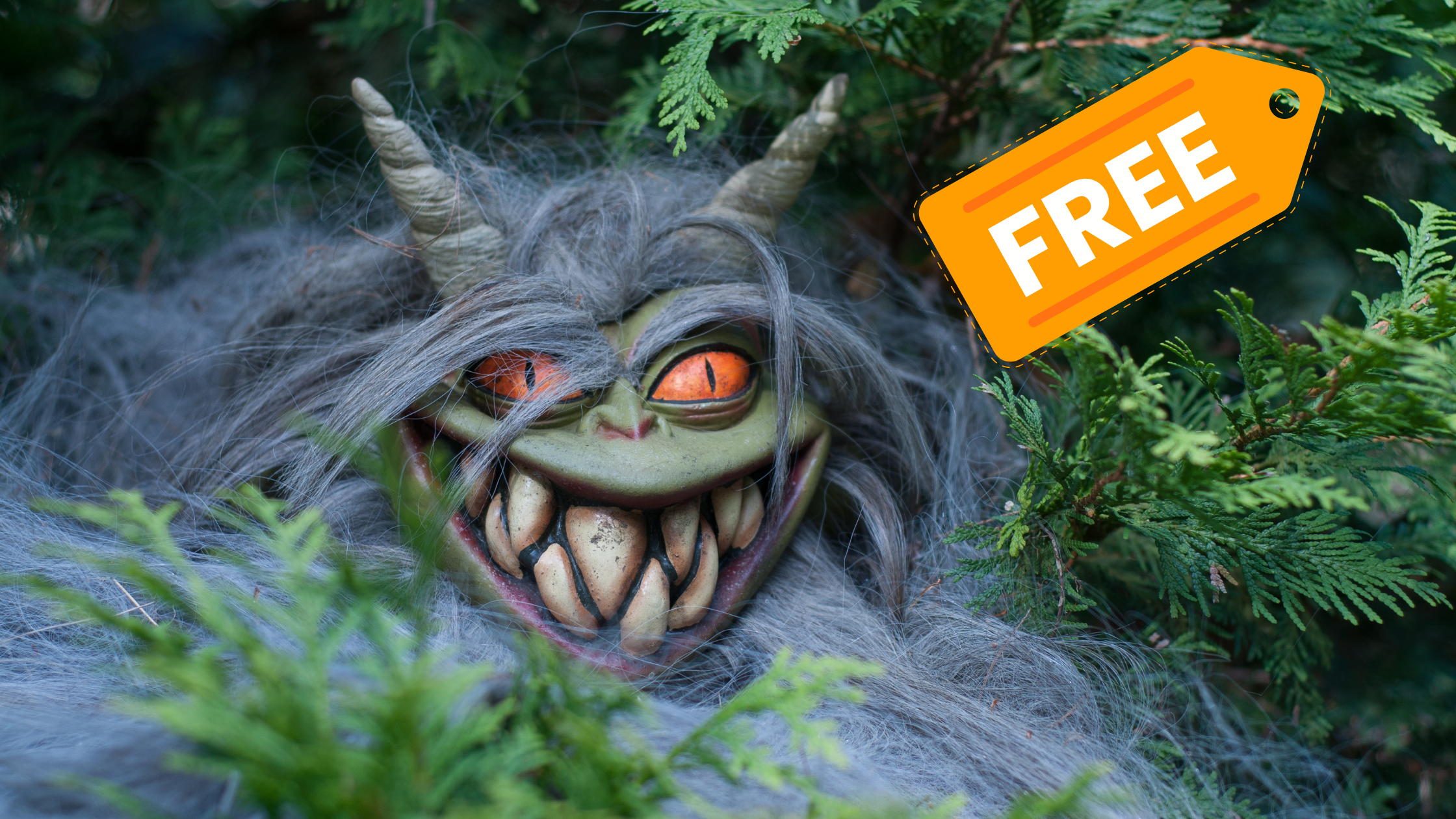
      4. Explain that you will give them some time to practice. When you turn off the lights, they need to fall asleep, because Nian the monster is coming.
      5. They need to be as quiet as possible.
      6. If they make a sound, they need to pay Nian 1 token so that he doesn’t take them out of the game. If they don’t have any cards, and they are not quiet, they sit out of the game.
      7. When the lights come back on, students need to quickly find a new partner to play with.
      8. At this time, students who don’t have cards can try to play with you to see if they can earn a card to stay in the game.

      Teacher’s role

      Monitor students as they practice. Make sure that students get to complete at least one round of practice before turning off the light.

      When you go to them, walk around a little slowly and make some monster noise. Listen for students that move or make noise.

      If they are really quiet, you can just quickly move on to the next round.

      Who wins?

      Game points are counted individually. Each person who has more than 4 cards can get 1 point. Then the team with the most points wins. You can break ties by having them play Paper, Scissors, Stone (Rock, Paper, Scissors).

      What’s there to love?

      This game takes ideas from traditional Chinese customs. It’s great for students to play, and the Nian monster adds an extra element of fun.

      1. Older Students: Adjust the Nain part for older students by telling them that they need to rush and find a seat. 
      2. They can sit on any available chair in the class. 
      3. They don’t want to be the last person to sit, or they will pay Nain with a card. 
      4. Turn on the lights and continue playing. 

      Challenge your students some more

      with games like these